
Kitchen Goals: What's Possible When Your Architect Is Also a Professionally Trained Chef
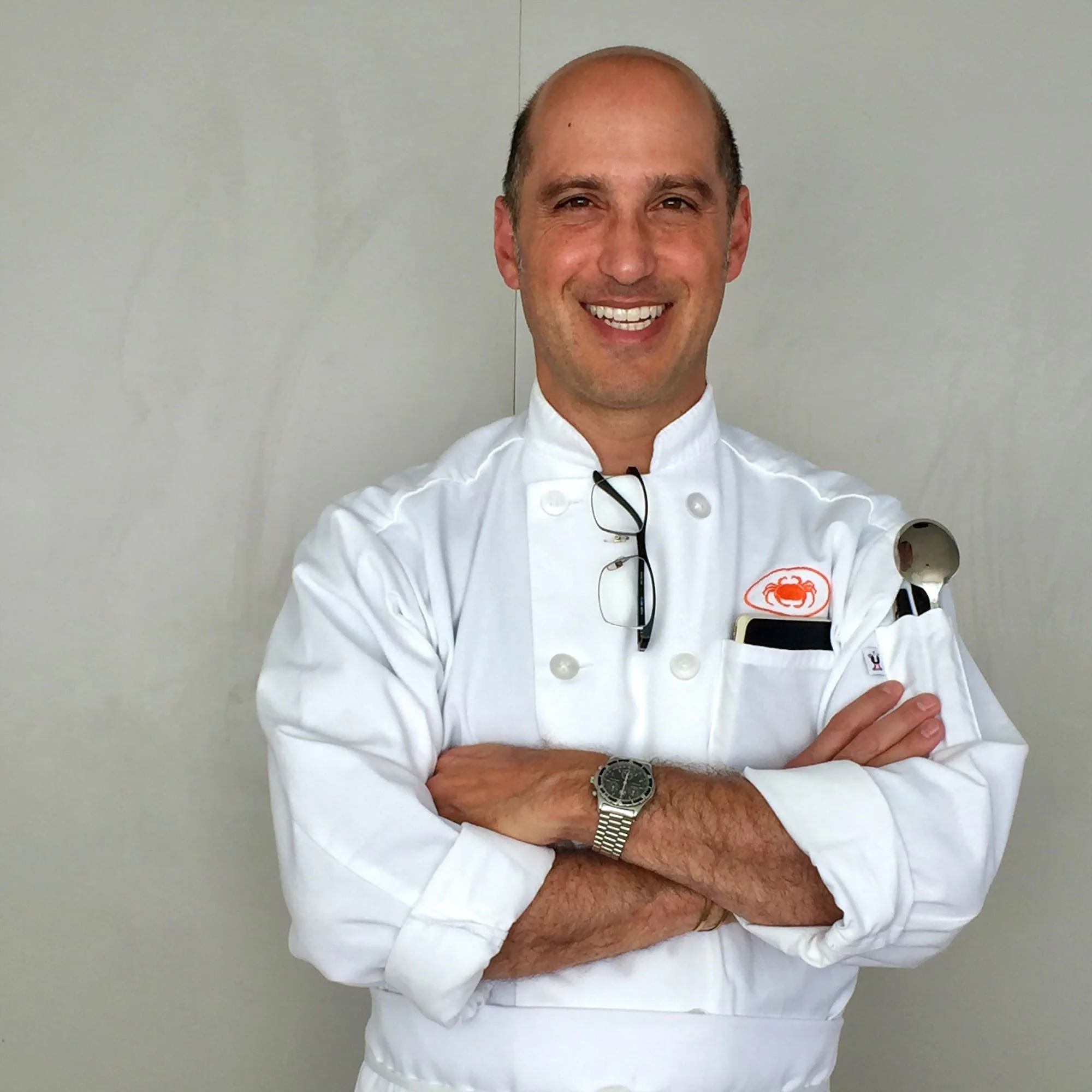
I've spent most of my life in kitchens.
Long before I became an architect, I grew up in commercial kitchens. My grandfather owned one of Boston's largest bakeries. My mother owned award-winning restaurants, a bakery, and a catering company before moving to Maui to open restaurants for several of the island's premier hotels. As a teenager and college student, I worked in both the front and back of the house, learning how professional kitchens function under pressure.
Years later, after decades of practicing architecture, I took a sabbatical and attended the San Francisco Cooking School. I didn't do it to change careers. I simply wanted to become a better cook. What surprised me was how much the experience changed the way I thought about architecture.
Most architects think of kitchens as rooms.
I think of them as choreography.
Every meal is a sequence of hundreds of small movements. Reach for a knife. Wash vegetables. Chop. Turn to the cooktop. Stir. Plate. Clean. Put everything away. A well-designed kitchen quietly supports those movements until they become almost unconscious. A poorly designed kitchen asks you to work around it.
That difference is what I think architects should be designing.
Kitchens Are About Flow
When clients begin thinking about a new kitchen, the conversation often starts with appliances, cabinetry, or countertops. Those decisions certainly matter, but they're not where I like to begin.
I start by asking people how they cook.
Do you cook every night or only on weekends? Do you bake? Is making coffee a quiet morning ritual or something that happens while getting three children out the door? Do friends gather around the island while dinner is being prepared, or do you prefer cooking alone? Will a private chef occasionally use the kitchen?
Every answer changes the design.
Professional kitchens taught me that efficiency isn't about moving faster. It's about eliminating unnecessary movement. The fewer decisions you have to make and the fewer extra steps you have to take, the more cooking begins to feel like a pleasure instead of a chore.
Beyond the Kitchen Triangle
Most people have heard of the kitchen work triangle—the relationship between the sink, refrigerator, and cooktop. It remains a useful concept, but today's kitchens have evolved well beyond it.
Modern kitchens have become larger and more social. They're often occupied by several people at once, each doing something different. Rather than organizing the room around a single triangle, I find it more useful to think in terms of overlapping work zones.
There may be a preparation zone, a cooking zone, a baking area, a coffee station, a cleanup zone, even a serving area if you entertain frequently. These zones naturally overlap, but each has its own rhythm and its own storage requirements.
Like good city planning, a successful kitchen isn't simply organized. It's organized around how people actually move.
There Is No Perfect Kitchen
One of the biggest misconceptions about kitchen design is that there is a single right answer.
There isn't.
There is only the kitchen that's right for you.
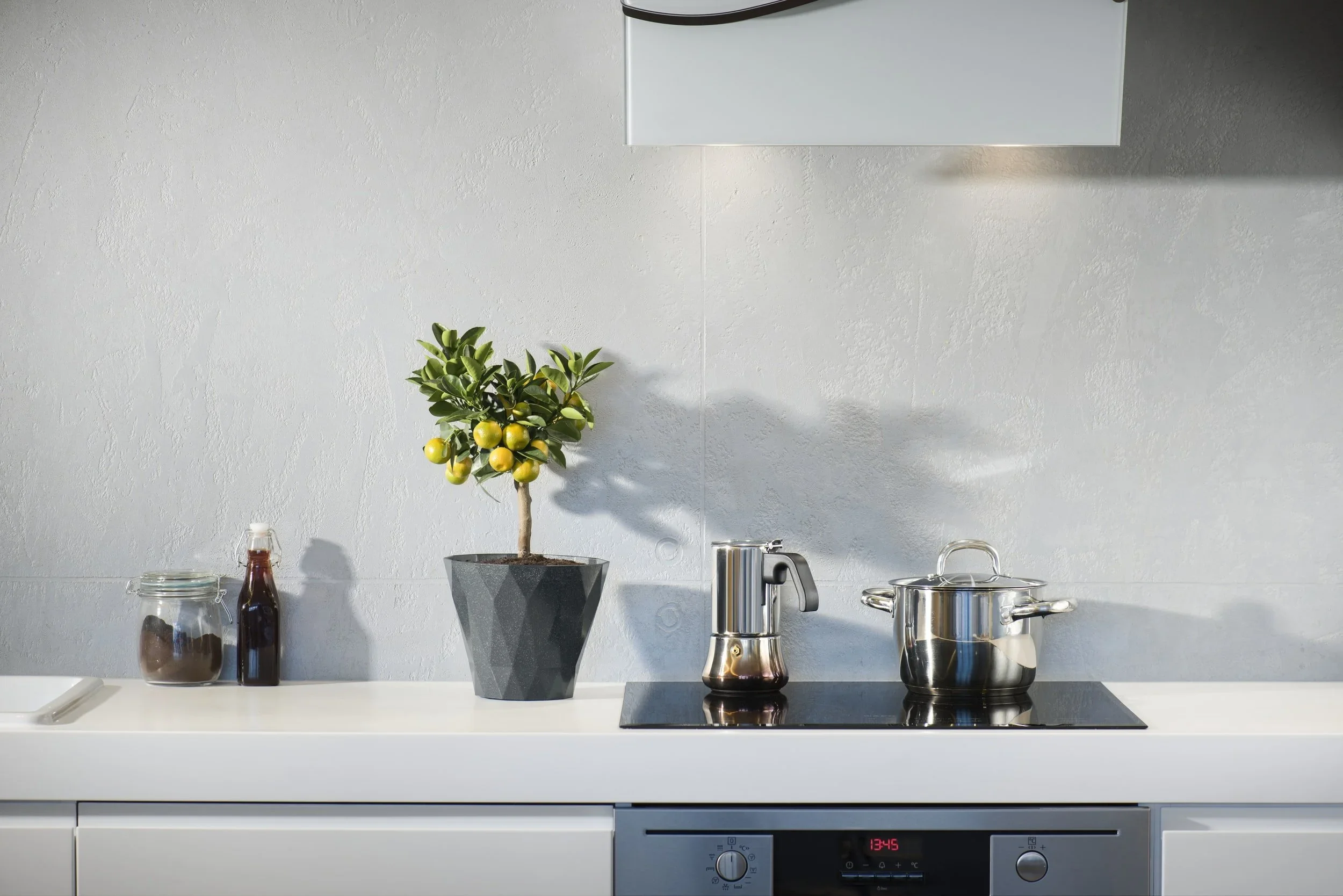
For example, I keep my Heath Ceramics dinnerware on open shelves rather than behind cabinet doors. Years spent in professional kitchens taught me to plate directly from the shelf, and I genuinely enjoy seeing the dishes every day rather than hiding them away. Someone else may find open shelving impractical. They're not wrong.
The point is that your kitchen should reflect your habits—not mine.
At Parco Studio, we spend a surprising amount of time on what I call micro-programming. These are the dozens of small conversations that collectively determine whether a kitchen feels effortless.
Where do groceries enter the house?
Where do they get unpacked?
Where does the stand mixer live?
Do you compost?
Should the oils and spices live beside the cooktop or beside the prep surface?
How often do you use your espresso machine?
None of these questions seems particularly important by itself.
Together, they determine how the kitchen will feel every single day.
The Kitchen Is No Longer Back of House
Traditional homes often treated the kitchen as a service space tucked away from the rest of the house.
Modern life has largely turned that idea upside down.
Today, the kitchen has become the social center of many homes. Children gather there after school. Friends inevitably drift toward the island during parties. Family members linger over coffee long after breakfast is finished.
This is one of the reasons I spend so much time thinking about where a kitchen sits within the larger plan of the house.
Its relationship to the great room, dining room, pantry, mudroom, outdoor spaces, and even the arrival sequence into the home influences how naturally people gather and interact.
Sometimes moving the kitchen twenty feet can change the way an entire house feels.
The Kitchen Doesn't End at the Exterior Wall
One advantage of designing homes throughout California, Hawaii, and the Mountain West is the opportunity to extend everyday living outdoors.
For me, one of the most enjoyable "kitchen appliances" isn't an appliance at all.
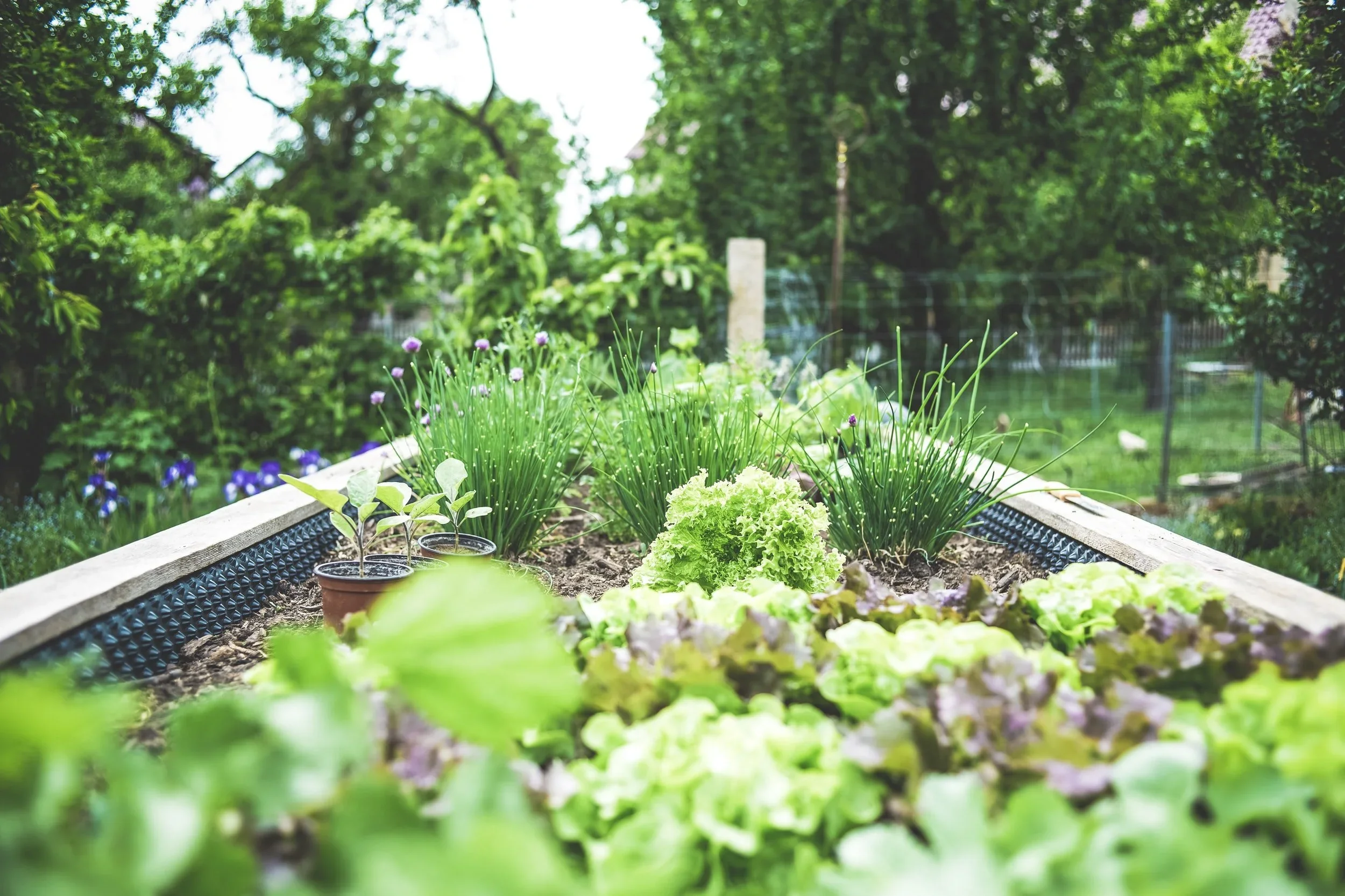
It's an herb garden just outside the kitchen door.
In permaculture, this area is referred to as Zone 1—the part of the landscape you visit most frequently throughout the day. Fresh basil, rosemary, parsley, mint, and thyme become part of cooking almost without thinking about it.
Likewise, outdoor dining rooms, terraces, pizza ovens, barbecues, and outdoor kitchens often become natural extensions of the indoor kitchen rather than separate destinations.
Good architecture blurs that boundary so seamlessly that moving between inside and outside feels effortless.
Light, Air, and Atmosphere
Professional kitchens taught me something else.
Cooking isn't only about function. It's also about atmosphere.
Good kitchens need several kinds of light. Bright task lighting where you're preparing food. Softer ambient lighting that makes the room comfortable to occupy throughout the day. Decorative lighting that makes people want to linger over another glass of wine after dinner.
Ventilation deserves just as much attention.
Nothing diminishes an otherwise beautiful kitchen faster than lingering smoke, grease, or cooking odors. The best ventilation systems do their work quietly in the background, allowing the experience of cooking—not the equipment—to take center stage.
Choosing Technology Thoughtfully
Kitchen technology evolves constantly.
Some innovations genuinely improve the experience of cooking. Others simply add complexity.
Our role isn't to chase every new appliance. It's to understand which technologies make everyday life easier and which are simply new.
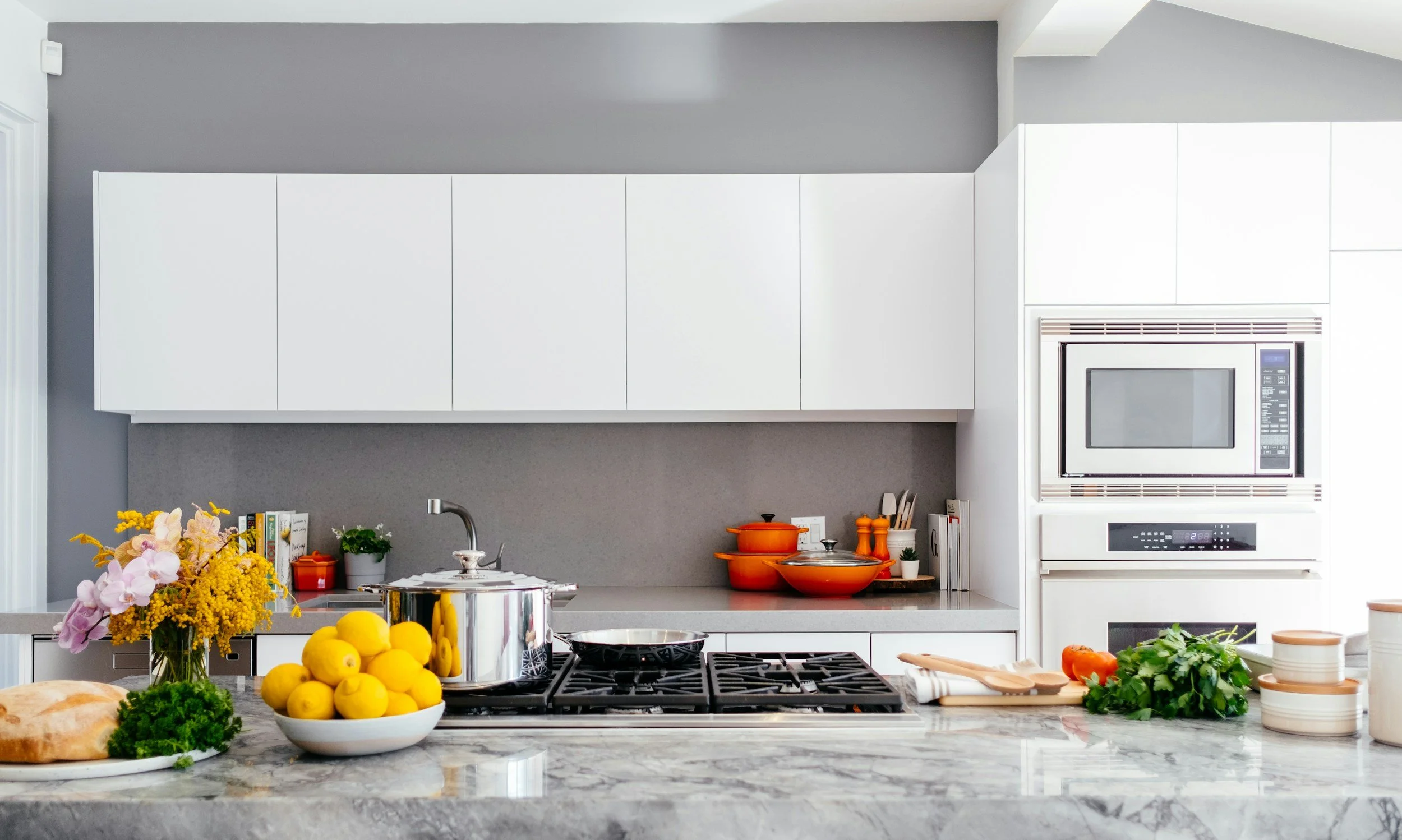
Induction cooking is a good example. Having spent years cooking over gas, I approached induction with some skepticism. After working with it extensively, however, I came to appreciate its remarkable precision, responsiveness, ease of cleaning, and energy efficiency.
Technology should never become the centerpiece of the kitchen.
It should quietly support the people using it.
Materials Matter
The materials we choose shape far more than the appearance of a kitchen.
They influence how it ages, how it sounds, how it feels under your hands, how easily it cleans, and how well it supports the way you cook.
Marble develops a patina that many people find beautiful.
Quartz offers consistency and durability.
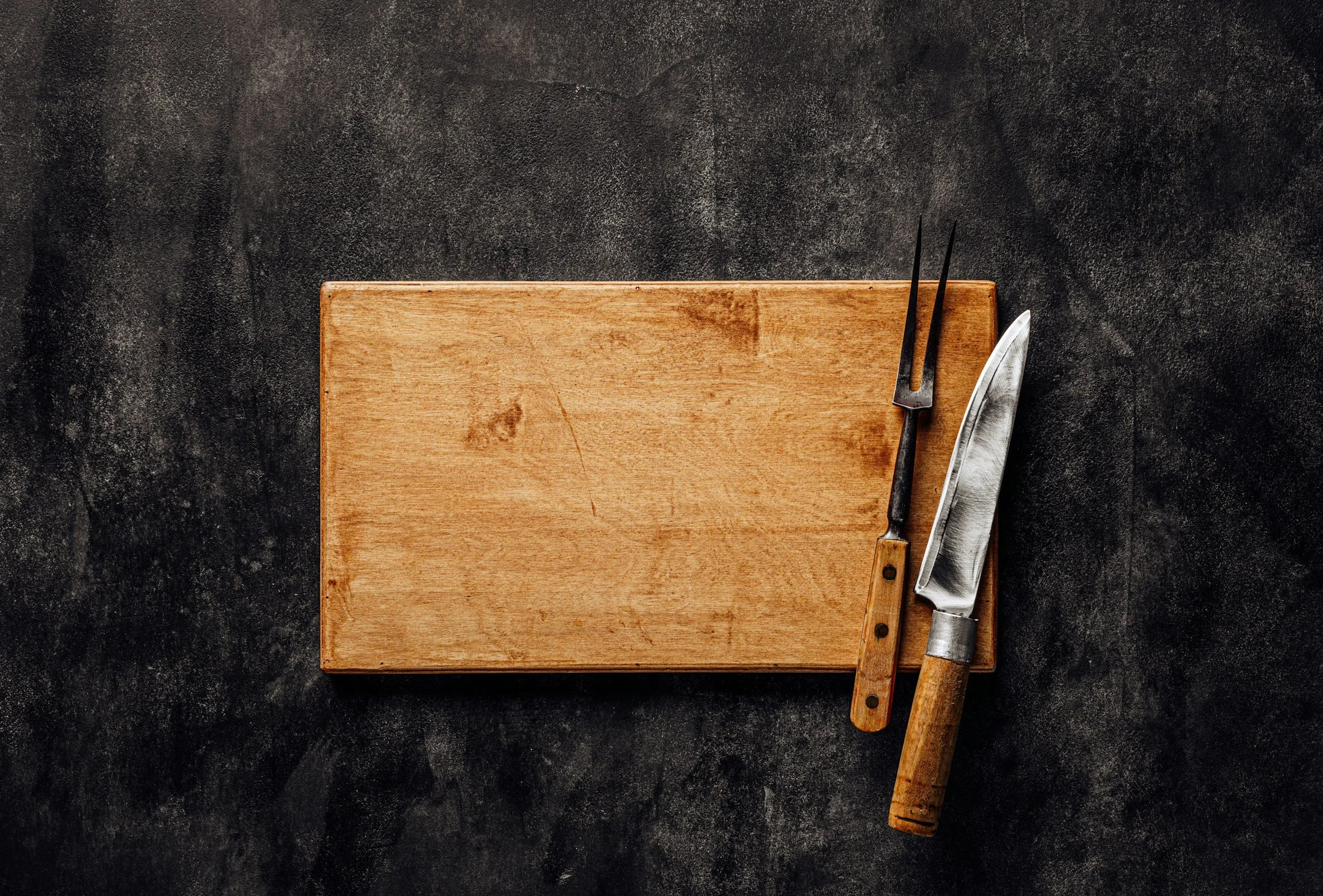
Wood brings warmth and is forgiving on fine knives.
Stainless steel performs brilliantly but proudly records every scratch earned through years of use.
None is objectively better than another.
Each simply reflects a different philosophy of living.
Designing for Daily Rituals
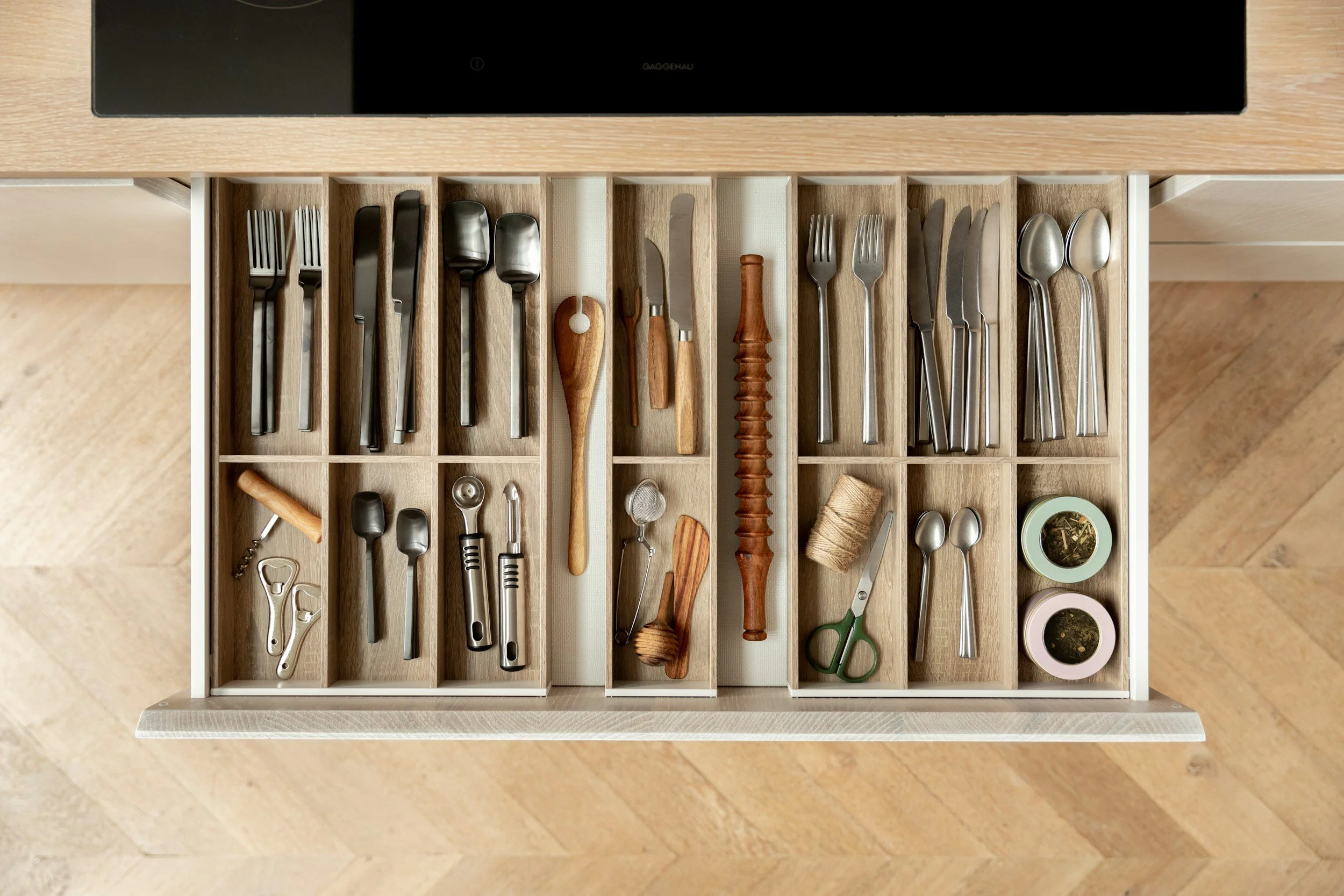
I could spend hours talking about knife storage, pantry organization, appliance garages, baking stations,bcomposting, coffee preparation, or where oils and spices should live.
Those details fascinate me.
Not because they're complicated, but because they reveal how people actually live.
Architecture often succeeds or fails in these small moments.
A kitchen that supports your daily rituals feels intuitive almost from the first day you move in. You stop thinking about where things are because they're exactly where they ought to be.
That's not an accident.
It's the result of thoughtful design.
Beauty + Flow
Beautiful kitchens are easy to admire.
Great kitchens are easy to use.
The rare ones are both.
When movement feels natural, daylight falls across the island in the morning, tools are within easy reach, and family and friends instinctively gather while dinner is being prepared, something subtle begins to happen.
Cooking becomes less work.
Entertaining becomes less effort.
People stay a little longer.
Conversations linger.
The architecture quietly supports moments that become memories.
As both an architect and a professionally trained chef, I believe the kitchen deserves this level of attention. Not because it's often the most expensive room in the house, but because it's where so much of life unfolds.
Meals begin there.
Children learn there.
Friends gather there.
Holiday traditions are passed from one generation to the next there.
When a kitchen is thoughtfully designed, it doesn't simply help us prepare food.
It helps us live better.