
On Architecture
The Parco Studio Journal explores architecture through the ideas that shape our work—space, light, landscape, material, resilience, craft, and the experience of living. Written by architect Ben Parco, these essays examine both the practical questions of designing and building a home and the larger ideas that give architecture meaning.
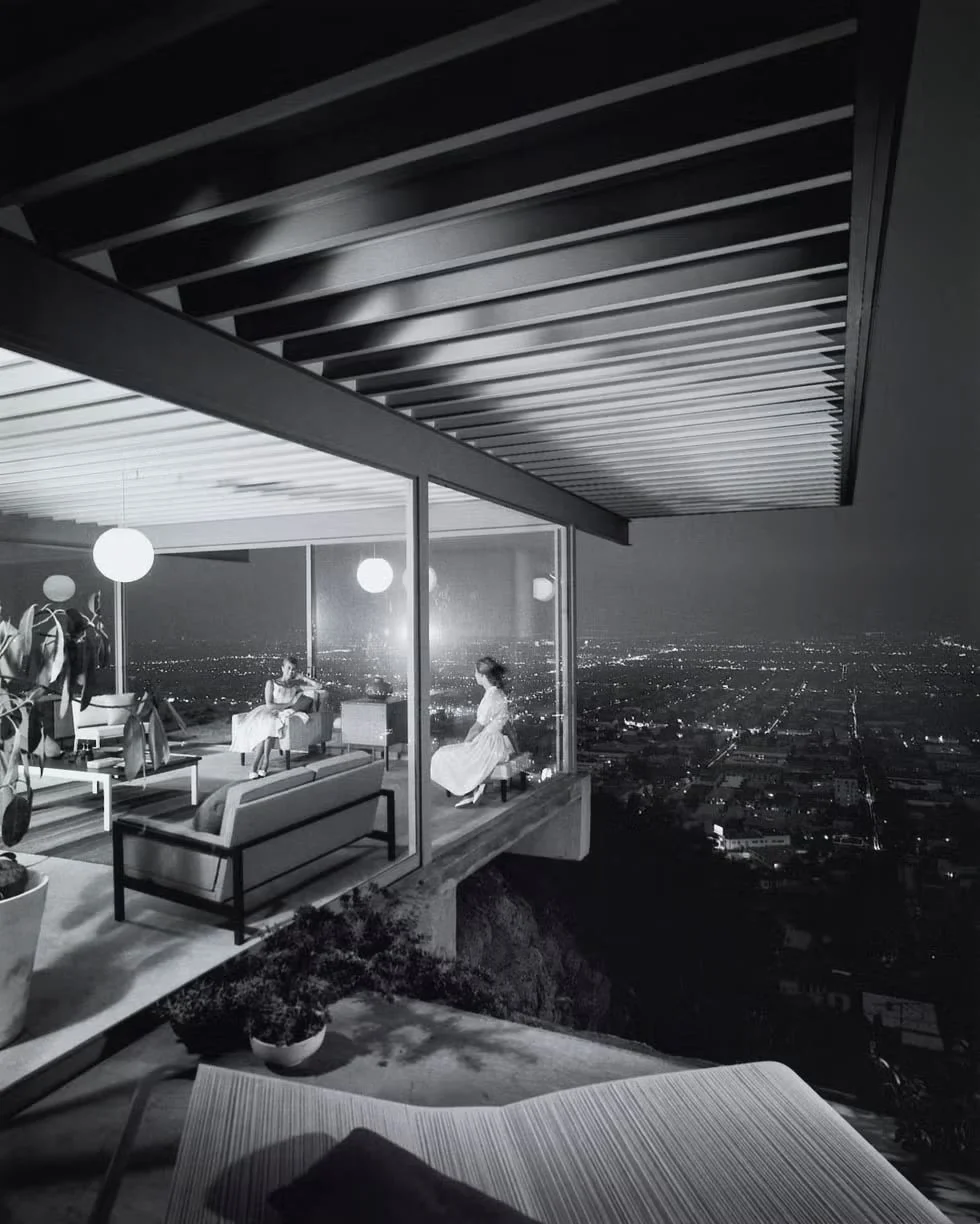
Whatever Happened to California Modernism?
California was once a laboratory for architectural experimentation. Today, its luxury residential market often favors recognizable styles and established architectural brands over original ideas. An examination of how California modernism became increasingly conventional, and what the architects we choose reveal about our relationship to architecture as an art form.
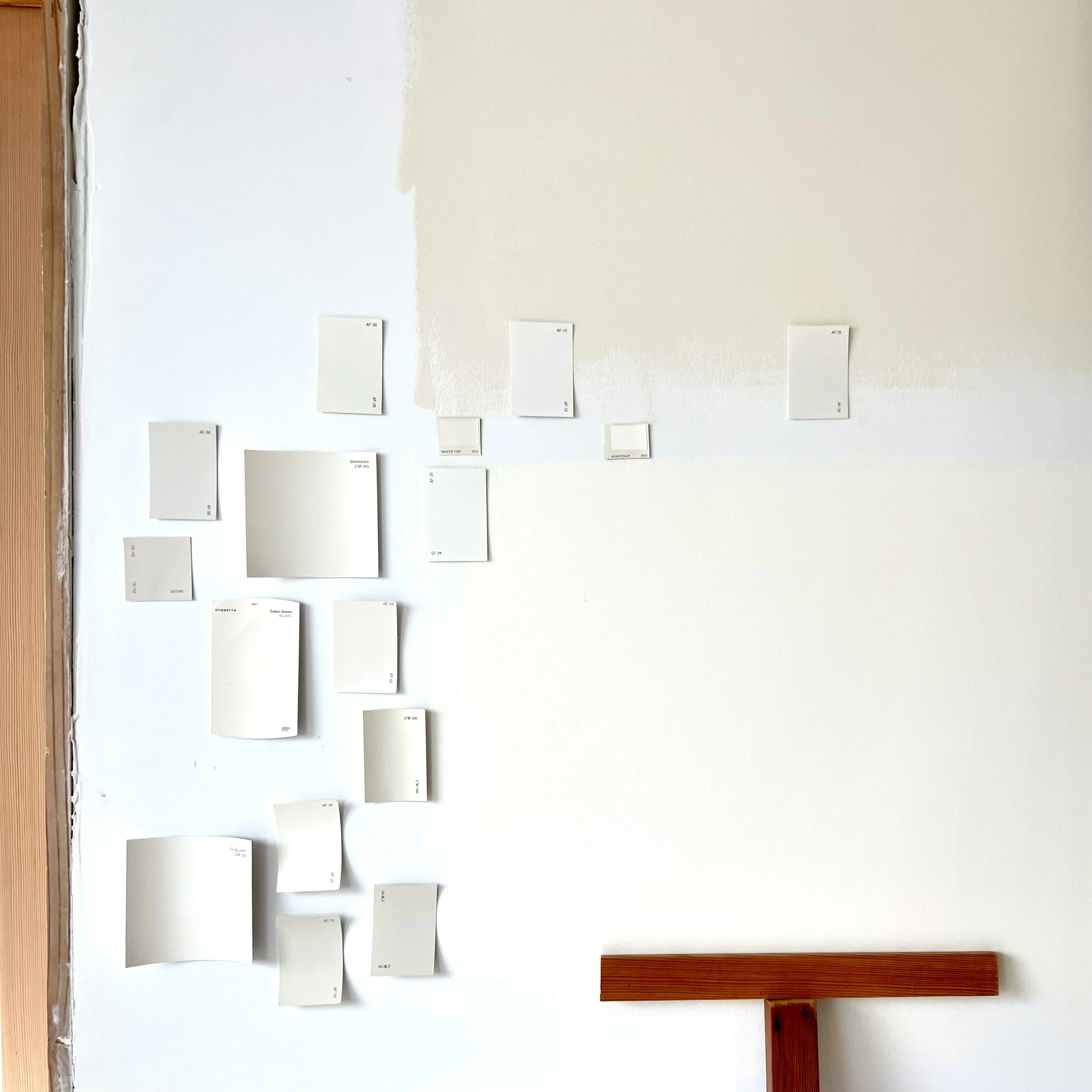
The Wrong White
White is never just white. After testing sixteen shades under changing daylight conditions, we discovered how profoundly subtle differences in warmth, reflectance, and illumination affect the experience of a room. An architect's perspective on choosing whites that feel luminous, comfortable, and genuinely livable.

The Difference Between Luxury and Richness
An expensive house isn't necessarily an extraordinary place to live. While luxury is often expressed through costly materials, generous spaces, and impeccable finishes, architectural richness emerges from something less tangible: spatial complexity, unexpected daylight, thoughtful composition, and the experience of moving through a building. This essay explores why the true value of architecture lies not simply in what a house contains, but in the richness of experience it offers.
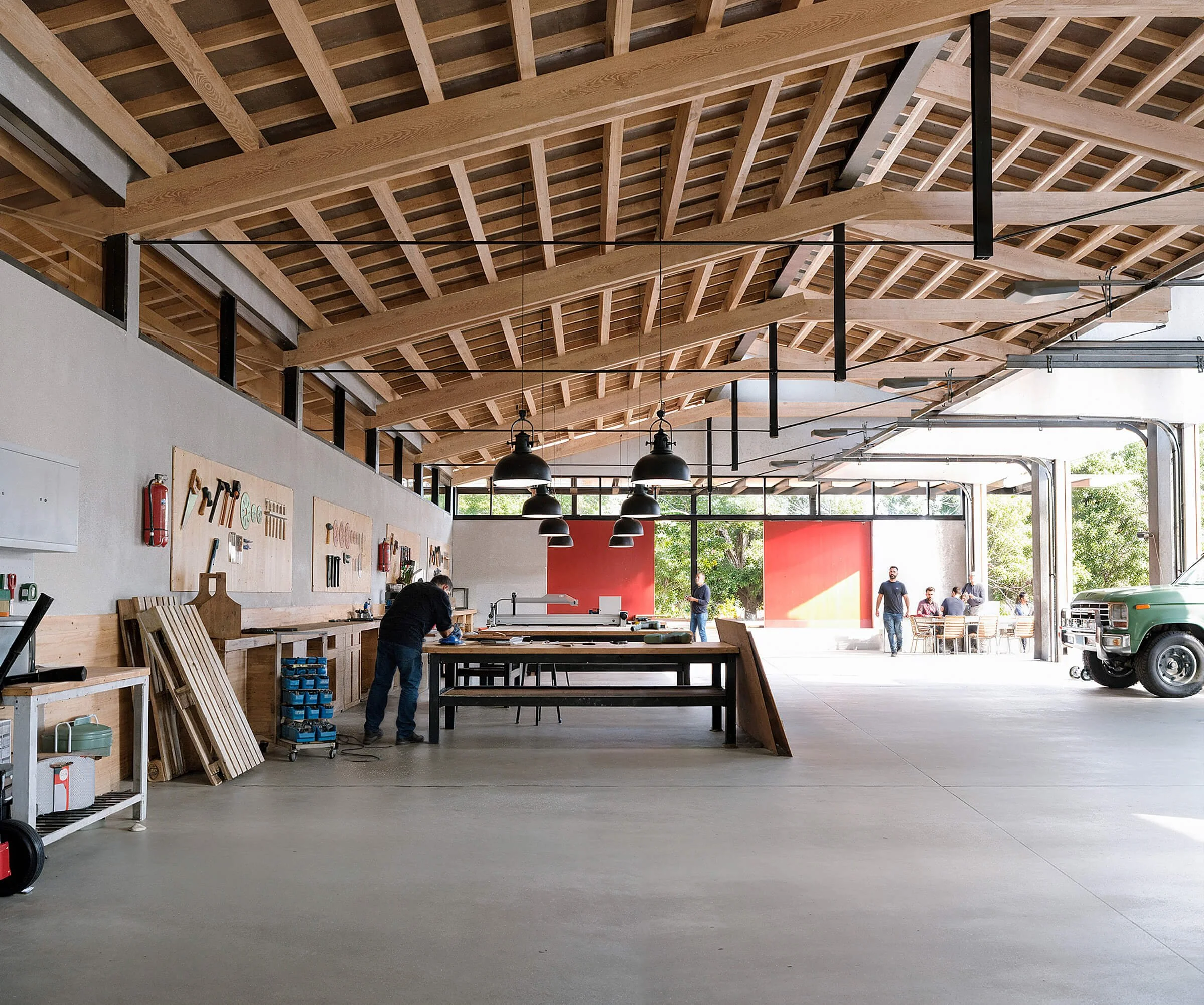
The Architecture of Agency
What happens when a client imagines a home beyond the conventional collection of bedrooms, bathrooms, and living spaces? High-agency clients approach architecture as an opportunity to shape their surroundings around their interests, ambitions, and ways of living. Drawing on an unbuilt Southern California project with workshops, vehicle bays, a library, and unconventional entertaining spaces, this essay explores what becomes possible when a client's imagination drives the architectural program.

Move Fast and Break Things. Just Not Your House.
Silicon Valley's philosophy of moving fast and learning from failure has produced extraordinary innovations, but it can be a costly approach to building a custom home. Drawing on my experience as an architect and founder of a prefabricated building company, I explore why construction resists easy disruption and how thoughtful design, rigorous coordination, and thorough documentation can be the fastest path to a successful project.
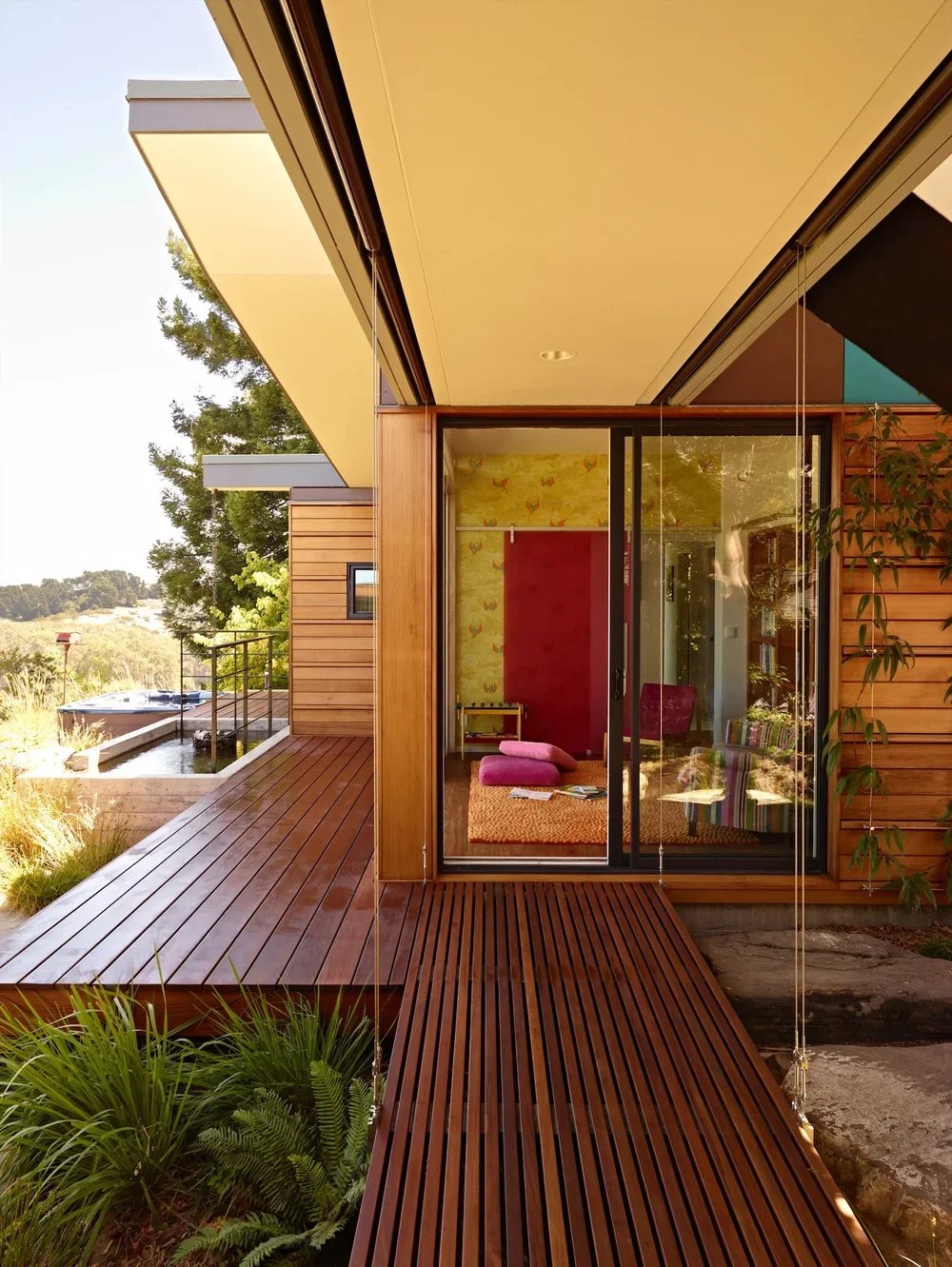
Composition Creates Character
Almost every house is assembled from the same basic materials: concrete, wood, glass, steel, and plaster. Yet some become extraordinary places to live while others remain entirely forgettable. This essay explores how proportion, sequence, light, and thoughtful composition can transform ordinary building materials into architecture with genuine character, often without significantly increasing construction costs.

The Apple Store-ification of Bay Area Residential Architecture
Why do so many multimillion-dollar Bay Area homes resemble Apple Stores? Behind the flawless white oak, expansive glass, and immaculate detailing lies a larger question about architectural originality, conformity, and the difference between a recognizable aesthetic and a genuinely considered design. This essay examines how Silicon Valley's visual language of success has influenced residential architecture, and what may be lost when style becomes a substitute for architectural thinking.

Competence Is Not Authorship
Beautiful materials, exquisite detailing, and extraordinary craftsmanship can produce an impressive house, but do they necessarily produce significant architecture? Technical competence is essential, yet the distinction between a well-executed building and a memorable work of architecture lies in something more elusive. This essay explores the importance of authorship, architectural judgment, and the ability to bring a coherent point of view to the particular circumstances of a project.

The Missing Section
Floor plans tell us where rooms are and how they connect, but they reveal surprisingly little about how architecture actually feels. Ceiling heights, changing levels, reflected light, and the relationships between spaces above and below can profoundly influence our experience of a house. Through the design of our Italic A House in West Marin, this essay explores why architectural section is as important as plan in creating memorable spaces.

Designing a Home for Wildfire Resilience
Building in California's wildfire-prone landscapes requires a different way of thinking about the relationship between architecture and its environment. From site planning and defensible space to noncombustible materials, protected openings, and carefully detailed building assemblies, resilience begins long before construction. This essay explores how thoughtful architectural decisions can reduce vulnerability to wildfire while preserving the beauty, comfort, and connection to nature that make these places worth living in.

On Perfection and Architecture
We live in a world where products can be updated, replaced, or discarded, but buildings are different. The decisions we make in architecture may shape people's lives for generations, making the pursuit of getting things right especially consequential. Drawing on ideas of craftsmanship, longevity, and the pleasure of using well-made things, this essay considers why architectural perfection has less to do with flawlessness than with creating something worth keeping.

The Architecture of a Successful Project
Designing and building a custom home is an exercise in gradually turning uncertainty into certainty. From understanding the site and establishing priorities to coordinating consultants, managing budgets, and making timely decisions, the sequence of the process matters enormously. This essay explores how a disciplined, collaborative approach can protect an architectural vision while reducing unnecessary expense, delay, and frustration along the way.

How to Properly Site a Home
Where a house sits on its land may be one of the most consequential decisions in the entire design process. Topography, sunlight, prevailing winds, views, privacy, access, and the character of the landscape all influence how a home is experienced. This essay explores how thoughtful siting can reveal a property's possibilities, strengthen the relationship between indoors and outdoors, and create architecture that genuinely belongs to its setting.

The Real Art of Controlling the Cost of a Custom Home
Controlling the cost of a custom home isn't simply a matter of choosing less expensive materials or eliminating desirable features. The most consequential decisions often involve size, complexity, site conditions, and understanding which investments will meaningfully improve the experience of living there. This essay explores how architectural judgment, clear priorities, and early collaboration can create greater value without sacrificing the qualities that make a home exceptional.

Before You Buy the Land, Call an Architect
A beautiful property doesn't necessarily make a good building site, and the purchase price rarely tells the whole story. Zoning restrictions, geology, access, utilities, wildfire exposure, and environmental constraints can dramatically influence what is possible and what it will cost. This essay explains why involving an architect before purchasing land can reveal hidden opportunities, identify expensive risks, and help ensure the property can accommodate the home you envision.

The Time Is Now for the All-Electric Home
The transition to all-electric homes offers an opportunity to rethink comfort, performance, and the relationship between architecture and energy. Advances in heat pumps, induction cooking, solar power, battery storage, and high-performance building envelopes are changing what's possible in residential design. This essay explores how these technologies can work together to create homes that are comfortable, efficient, resilient, and better suited to the future.

Kitchen Goals: What's Possible When Your Architect Is Also a Professionally Trained Chef
A beautiful kitchen isn't necessarily a great kitchen. Having grown up in professional kitchens and later trained as a chef, I've come to appreciate how movement, work zones, storage, lighting, and the smallest daily rituals influence the experience of cooking. This essay explores what happens when an architect approaches kitchen design with a cook's understanding of how these spaces actually work, bringing beauty and practicality into closer alignment.

The Art of Designing a House for Art
An art collection can do more than occupy the walls of a beautiful home; it can help shape the architecture itself. From the scale of individual works to the sequence of spaces, the quality of light, and the relationship between sculpture and landscape, art introduces a rich set of design possibilities. This essay explores how architecture and a personal collection can inform one another, creating a home that is as distinctive as the art within it.

The Science of Designing a House for Art
Living with an important art collection involves more than finding beautiful places to display it. Light exposure, glazing, temperature, humidity, storage, and security all influence the long-term preservation of artwork. This essay explores how architecture and building technology can quietly protect a collection while maintaining the warmth, comfort, and spontaneity of a home rather than turning it into a museum.